Books Recommended by Steve Jobs
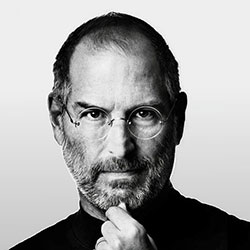 There are entrepreneurs and then there’s Steve Jobs. The man with the vision. Born in San Francisco, Jobs dropped from college, worked for Atari and went on a long trip to India before he and Steve Wozniak created Apple Computer in his garage in Los Altos.
Forty years later, Apple became the first U.S. company to be valued at over $700 billion and is the world’s largest information technology company by revenue. By 2017, products like the Mac, iPod, iPhone, iPad or MacBook were a part of the daily lives of hundreds of millions of people. And the man behind all of these is Steve Jobs.
Often involved in controversies around his leadership and business practices, Steve Jobs is also acclaimed for his vision and the way Apple managed to create innovative products that people absolutely loved during his time in charge with the company.
Besides Apple, Jobs also had several other business ventures. After his resignation from Apple in 1985 he founded NeXT Inc., a company that first built computers and then went into software development. It was acquired by Apple in 1997 and its framework was later integrated into the Apple Store. In 1986, he also invested in a computer graphics company that would later be called Pixar and acquired by Disney in 2006 for $7.4 billion. This deal made Jobs the largest single shareholder of Disney.
Throughout his life, Jobs did a lot of reading. After his return from India, he said that the room he was living in only had a sleeping bag, a mat, a candle and a book. There are also a number of books written about his life and his business philosophy, perhaps the most famous one being Walter Isaacson’s Steve Jobs.
Books recommended by Steve Jobs:
Books by Steve Jobs
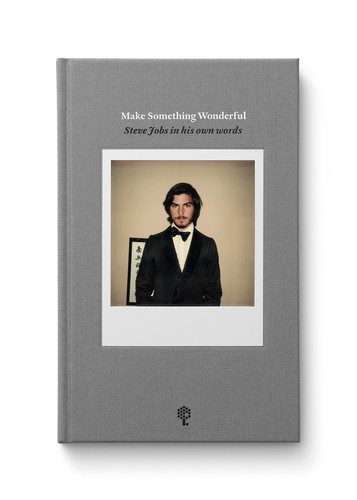
13 books recommended by Steve Jobs

The Innovator’s Dilemma: When New Technologies Cause Great Firms to Fail
It's important that we make this transformation, because of what Clayton Christensen calls "the innovator's dilemma," where people who invent something are usually the last ones to see past it, and we certainly don't want to be left behind.
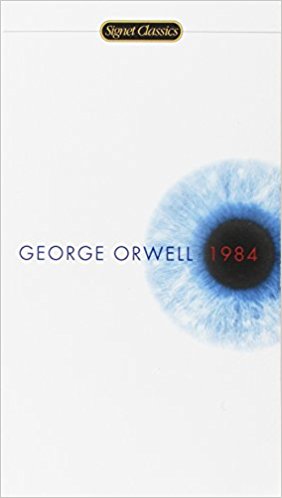
1984
Steve Jobs called this book "one of his favorite" and recommended it to the hires. The book also inspired one the greatest TV ad (made by Jobs)
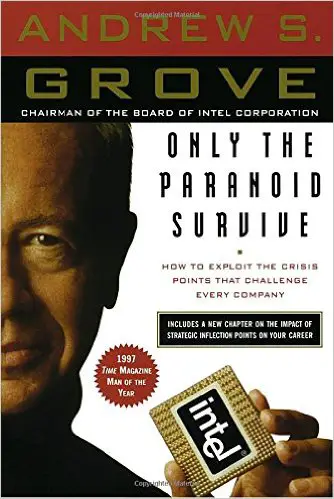
Only the Paranoid Survive: How to Exploit the Crisis Points That Challenge Every Company
This book is about one super-important concept. You must learn about Strategic Inflection Points, because sooner or later you are going to live through one.
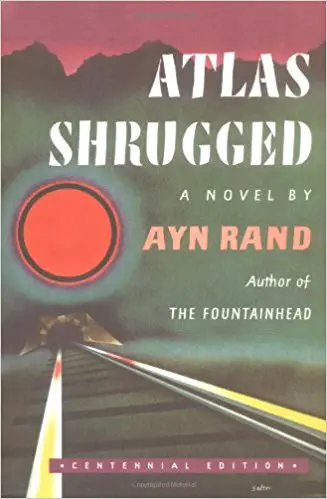
Atlas Shrugged
by Ayn Rand
Steve Jobs is said by his Apple co-founder, Steve Wozniak, to have regarded Atlas Shrugged as one of his “guides in life”.
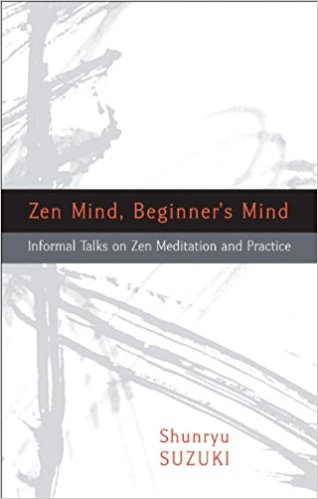
Zen Mind, Beginner’s Mind: Informal Talks on Zen Meditation and Practice
Steve Jobs often used the methods found in this book to center himself during difficult moments in his career. He was such an avid practitioner that he considered going to Japan to continue his practice, but was advised against it.
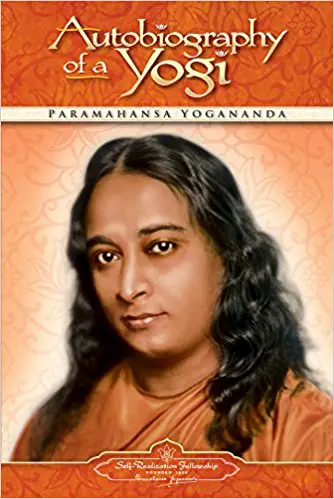
Autobiography of a Yogi
One book in particular stayed with Jobs his entire life, and Isaacson noted that it was the only book Jobs had downloaded on his iPad 2: “Autobiography of a Yogi,” “the guide to meditation and spirituality that he had first read as a teenager,” Isaacson writes, “then re-read in India and had read once a year ever since.”

Moby Dick
Jobs told me that "Moby-Dick" was among his favorite books and he reread it a lot when he was a teen.
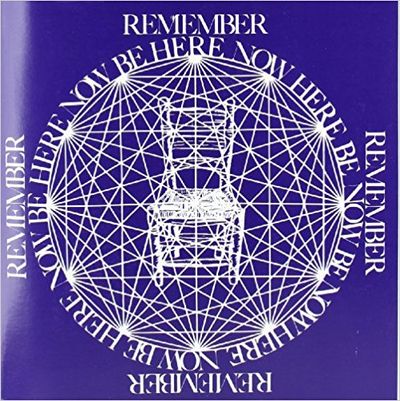
Be Here Now
by Ram Dass
In late 1972, Jobs had just started at Reed College, an elite liberal arts school in Portland, Oregon. He started doing lots of LSD and reading lots of books about spirituality.

Cosmic Consciousness: A Study in the Evolution of the Human Mind
Kottke recently shared a list of the books he and Jobs read around their time at Reed — ones that inspired Jobs's travels across the globe as well as his professional pursuits. One of the most influential works on that list is "Cosmic Consciousness: A… Read the full quote
Kottke recently shared a list of the books he and Jobs read around their time at Reed — ones that inspired Jobs's travels across the globe as well as his professional pursuits. One of the most influential works on that list is "Cosmic Consciousness: A Study in the Evolution of the Human Mind," originally published by a Canadian psychiatrist in 1901.
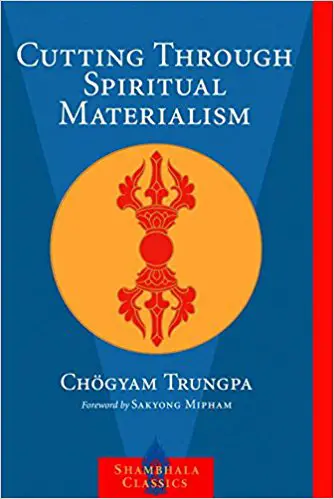
Cutting Through Spiritual Materialism
During his freshman year at Reed College, Jobs befriended Daniel Kottke, who went on to work at Apple, and together they devoured books such as Shunryu Suzuki’s “Zen Mind, Beginner’s Mind,” Chogyam Trungpa’s “Cutting Through Spiritual Materialism” and Paramahansa Yogananda’s “Autobiography of a Yogi,” a book Jobs read and re-read many times during his life.

Diet for a Small Planet
In that first year at Reed, Jobs also read "Diet for a Small Planet," a book about protein-rich vegetarianism that went on to sell three million copies. It was a breakthrough. "That's when I pretty much swore off meat for good," Jobs told Isaacson.

King Lear
Jobs told Walter Isaacson, the author of his biography, that he “loved King Lear”, which isn’t surprising.
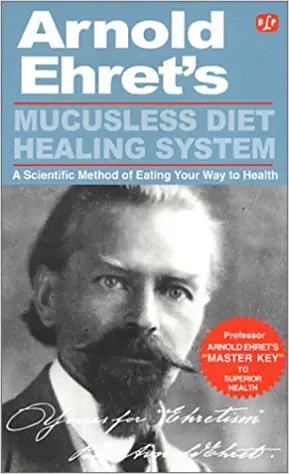
Mucusless Diet Healing System
by Arnold Ehret
Jobs' diet grew more adventurous after reading "Mucusless Diet Healing System" by early-20th-century German dietitian Arnold Ehret, a guy who recommends practices like "intermittent juice fasting." "I got into it in my typical nutso way," Jobs told Isaacson. After getting to know Ehret's work, Jobs… Read the full quote
Jobs' diet grew more adventurous after reading "Mucusless Diet Healing System" by early-20th-century German dietitian Arnold Ehret, a guy who recommends practices like "intermittent juice fasting." "I got into it in my typical nutso way," Jobs told Isaacson. After getting to know Ehret's work, Jobs became something of a nutritional extremist, subsisting on carrots for weeks at a time — to the point that his skin reportedly started turning orange.